

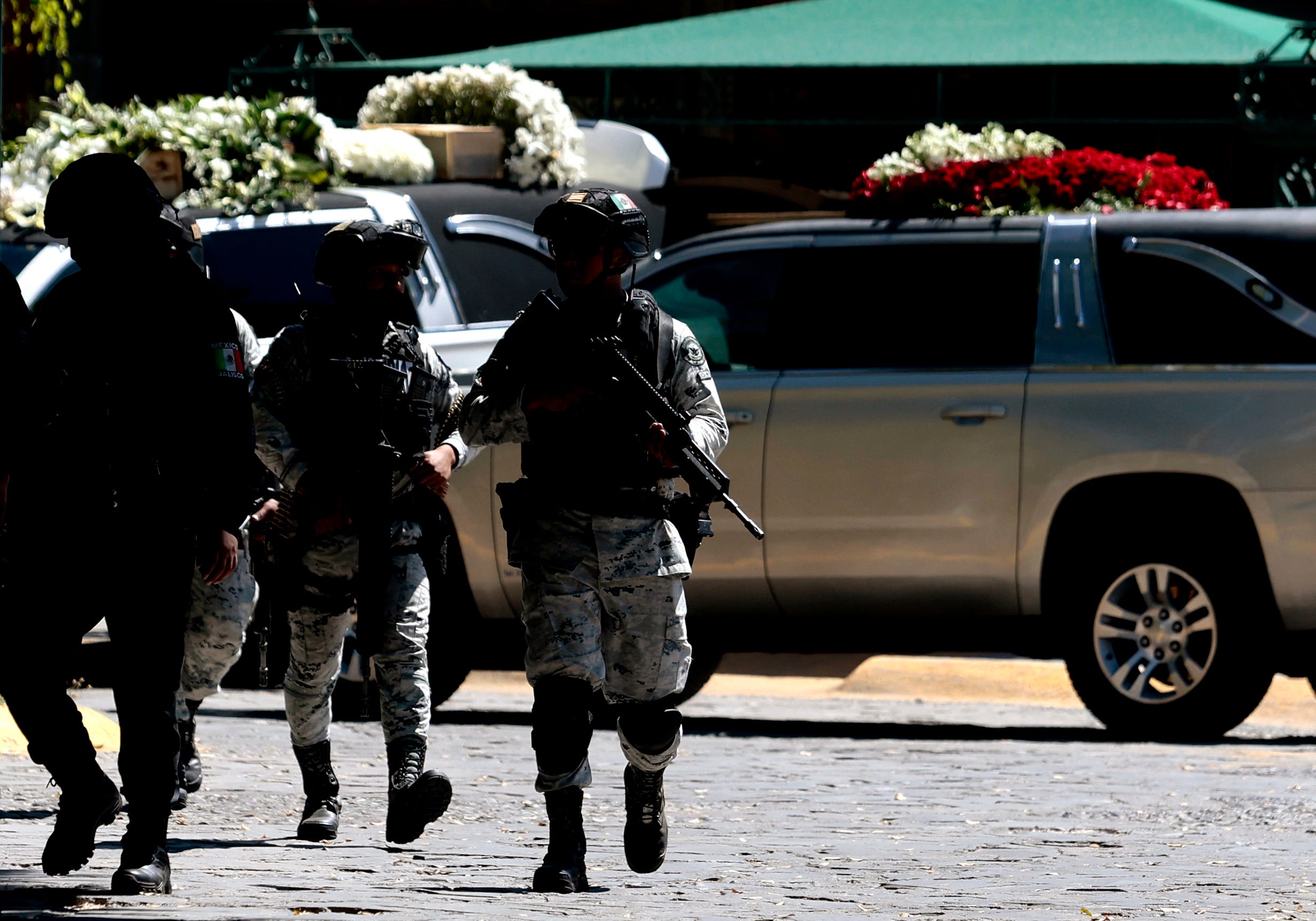
Following a tip from a new American anti-cartel intel op, Mexican National Guardsmen penetrated the thicket of official protectors around kingpin El Mencho, World’s Most Wanted, by tracking his goomah into a country club and gunned him down in an hours-long firefight. Another gun was right out of frame: the one President Donald Trump is holding up to Mexican President Claudia Sheinbaum’s head to stop the traffic of criminals and drugs across the American border.
Ruben “Nemesio” Oseguera Cervantes, known as El Mencho, head of the Jalisco New Generation Cartel (CJNG), was buried last week in a golden coffin. Mexican news outlets show masked mourners trickling in and out of an unassuming but heavily guarded funeral home on an empty street — a quiet contrast to the retaliatory uprising in the days immediately after his death.
But on the Internet, El Mencho lives on. Some Mexicans can’t quite believe he’s dead.
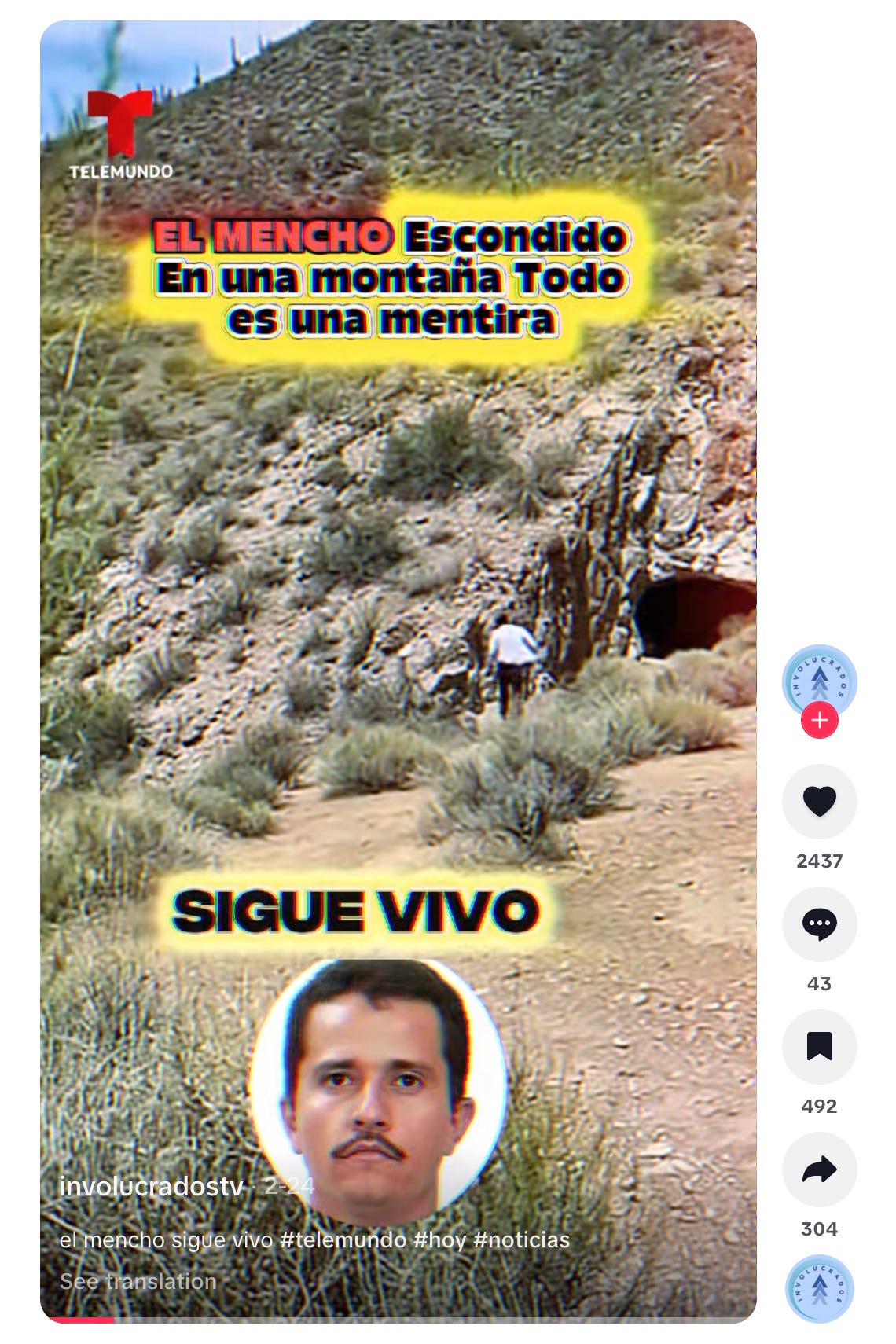
The posts may reflect a wariness about a truer reality: Much like assassinating a dictator doesn’t guarantee a new authoritarian ruler won’t emerge, or the death of a cult leader doesn’t guarantee acolytes abandon their utopian vision, taking out El Mencho may only make his beheaded gang more violent, a look at the history of the so-called “kingpin strategy” shows. Indeed, the CJNG cartel first emerged in the aftermath of a Mexican Army operation that killed Sinaloa honcho Ignacio “Nacho” Coronel Villarreal in 2010.

