

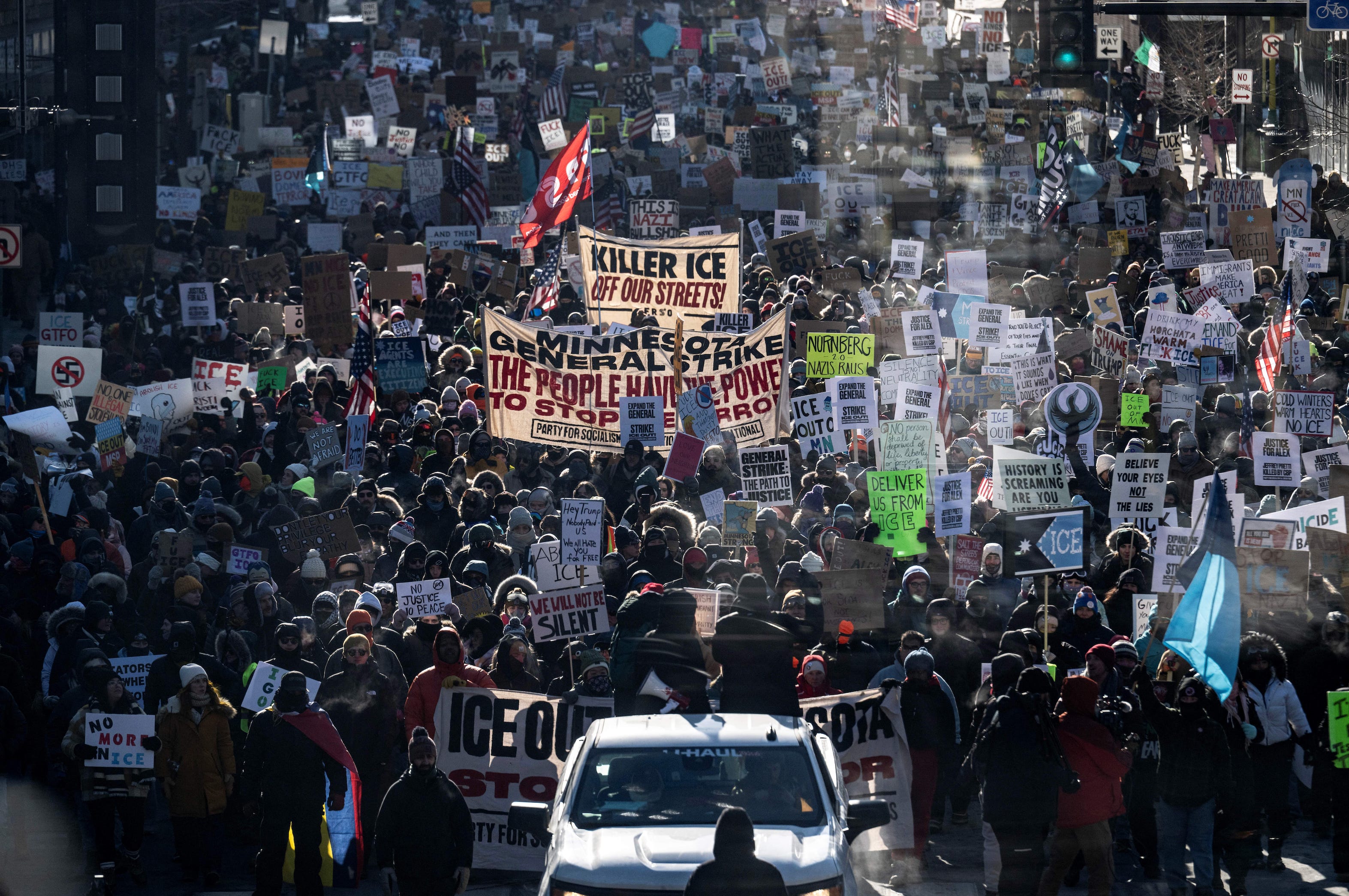
Within hours of the shooting of nurse Alex Pretti in Minneapolis Saturday, Trump administration officials rolled out an ancient playbook, which preaches attack in every situation. Pretti, said Border Patrol chief Gregory Bovino, looked like someone trying do “maximum damage.” White House Deputy Chief of Staff Stephen Miller called him a “would-be assassin” and Homeland Security chief Kristi Noem insisted Pretti was trying to “kill law enforcement.” Some Trump supporters were aghast.
“It’s almost like they’re trying to lose votes,” one Republican strategist sighed over the weekend.
“Escalating the rhetoric doesn’t help, and it actually loses credibility,” said Texas Senator Ted Cruz Monday.
Utah Republican John Curtis criticized Noem and others, saying “officials who rush to judgment before all the facts are known undermine public trust and the law-enforcement mission.” Former Congressman Trey Gowdy went on Fox to say “this guy is not a domestic terrorist” and “I don’t understand why it is so hard for those of us in public service to say from time to time, ‘I got it wrong. I was given bad information.’”
Consternation among Republicans is palpable. How bad is it? “Abolish ICE” is now a statistically significant portion of the GOP electorate, with 19 percent saying they somewhat or strongly support the idea, a ten percent hike over June, while 61% of Americans think ICE has gone “too far.” The same YouGov pollsters in June 2024 found 62% of the country favored a “national program to deport all undocumented immigrants,” suggesting Trump in two years went from far ahead to underwater on his signature issue. Comments from Treasury chief Scott Bessent and FBI Director Kash Patel (who said “no one who wants to be peaceful shows up to a protest with a firearm”) had the NRA denouncing officials for “demonizing law-abiding citizens.” As the Republican strategist noted, it’s “not every day” the NRA takes a shot at a GOP president, presenting a historic political opportunity.
Democrats are not gaining, though. In real terms, both parties have been losing support for a while. The phenomenon has been confirmed by enough independent studies of late that even the New York Times wrote about it this week.
While the Minnesota unrest is a genuine high-stakes clash centered on profound moral/ideological issues (pitting anger about Trump’s deportation program and methodology against national discontent about illegal immigration and protest methods), it’s being covered as if its every development correlates to the blue-red battle for political supremacy. That may not be true.
Increasingly, all-consuming controversies like the Minnesota mayhem take place in parallel to a separate, bigger story about broad defection of the whole electorate away from both parties, especially among younger Americans. The future will belong to neither-aligned voters:
