

From the New York Times:
A private arbitrator has ordered The Washington Post to rehire the opinion columnist Karen Attiah, who was fired in September over her social media posts about the assassination of the conservative activist Charlie Kirk. It also ordered the company to compensate her with back pay.
Sarah Miller Espinosa, the arbitrator, said in a written decision Thursday that The Post “did not have good and sufficient cause” to terminate Ms. Attiah and “violated” its labor agreement, according to a copy of the decision shared with The New York Times by Ms. Attiah’s lawyers.
“The Washington Post failed to establish the grievant engaged in gross misconduct,” Ms. Espinosa wrote.
On July 7, 2020, amid a wave of cancelations at the peak of the post-George Floyd racial “reckoning,” Harper’s magazine published an open “Letter on Social Justice and Debate” that was signed by Salman Rushdie, Cornel West, Wynton Marsalis, Malcolm Gladwell, and Noam Chomsky, among many others. Bemoaning a time when “Editors are fired for running controversial pieces” and “journalists are barred from writing on certain topics,” the signatories said “this stifling atmosphere will ultimately harm the most vital causes of our time.” They added: “We refuse any false choice between justice and freedom, which cannot exist without each other.”
Shortly after, on July 10th, a group of writers fired back at the Harper’s letter, penning their own “More Specific Letter on Open Justice and Debate” in The Objective. They declared that what the Harper’s signatories cared about was not free speech, but stopping black and LGBTQ+ writers from impacting society. “In truth, Black, brown, and LGBTQ+ people — particularly Black and trans people — can now critique elites publicly and hold them accountable socially,” the signatories wrote. “This seems to be the letter’s greatest concern.” The signatories added:
Under the guise of free speech and free exchange of ideas, the letter appears to be asking for unrestricted freedom to espouse their points of view free from consequence or criticism.
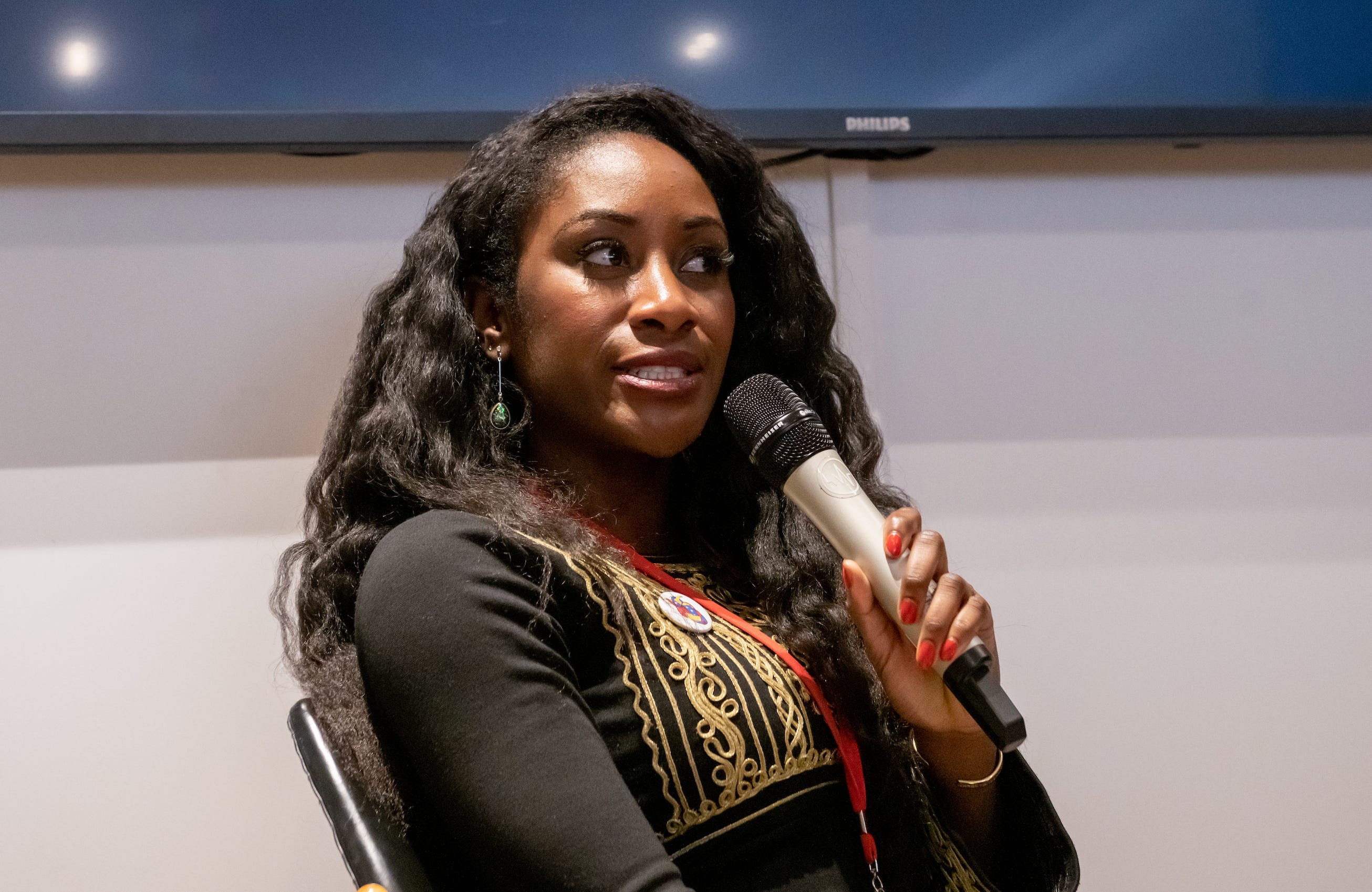
Among the signatories of that second letter was a certain Washington Post columnist, now in the news as a free speech icon:
